
China’s new exit-entry rules give authorities broader powers over citizens’ travel
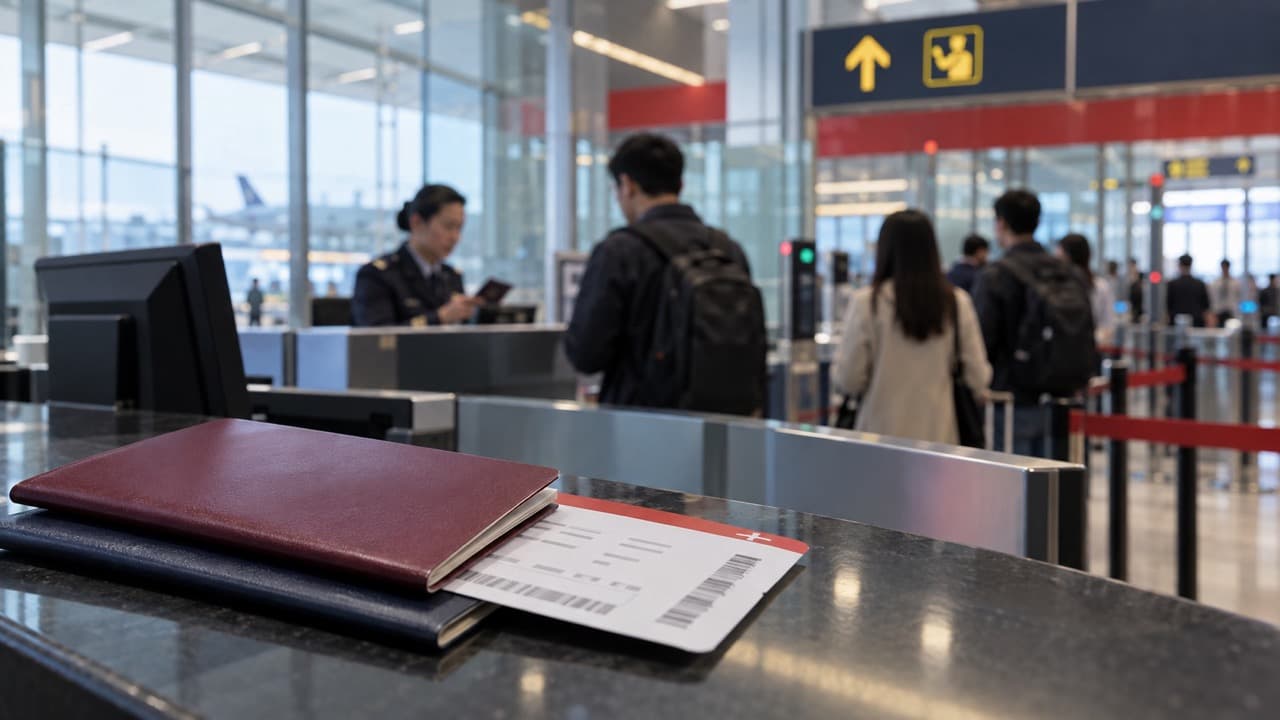
China’s new exit-entry rules expand official authority over travel screening and border-control procedures.
Photo: AI Generated Image
China has begun enforcing new exit-entry regulations that add oversight to how citizens apply for travel documents and leave the country. The rules, which took effect Sept. 15, also formalize warnings for travel to high-risk destinations and expand the legal basis for restricting departures in some cases.
China has put new exit-entry regulations into force that tighten the government’s control over how citizens obtain travel documents and move across the border, according to state and official immigration notices. The rules took effect on Sept. 15, 2026, and add language requiring authorities to warn Chinese citizens about travel to high-risk countries or regions while processing applications and at border inspection points.
The changes matter because they make clearer, and in some cases broader, the circumstances under which officials can slow or stop travel. The regulations affect Chinese citizens applying for passports and other exit-entry documents, as well as people undergoing border checks before leaving the country. Officials have said the measures are meant to address new challenges in cross-border travel and exit-entry services.
China has long maintained a system in which citizens must present passports or other travel documents for inspection before entering or exiting the country. The legal framework also allows authorities to restrict departure in specific situations, including when national security or other legal concerns are involved. The latest regulation builds on that framework rather than replacing it.
What the new regulation says
Official notices say immigration authorities must remind citizens to exercise caution when traveling to high-risk destinations. Separate guidance also says foreign nationals who are subject to restrictive measures under Chinese law may face entry restrictions. The regulation is part of a broader tightening of exit-entry administration that Chinese officials say is intended to respond to changing security and travel conditions.
The National Immigration Administration has also highlighted that China continues to adjust visa and transit policies for foreign travelers, even as it adds more direction on outbound travel by citizens. Those policies include expanded visa-free transit options for eligible foreign nationals, underscoring the split between easier access for some visitors and more closely managed controls on citizens’ departures.
The practical effect of the new rules may depend on how local immigration authorities apply them. The official notices do not spell out a single nationwide ban or a blanket new passport restriction, and they do not say that all citizens will face added scrutiny. Instead, the changes appear to strengthen the legal and administrative tools available to officials on a case-by-case basis.
For Chinese citizens abroad, the regulations are part of a wider pattern of tighter oversight on cross-border movement in recent years. For travelers, companies and families with ties to China, the new framework adds another layer of uncertainty around when departure may be delayed or when officials may advise against travel to certain places.
Topics
Source: english.www.gov.cn
View original source ↗