
India faces potential 100% U.S. tariff under Russia sanctions bill approved by House
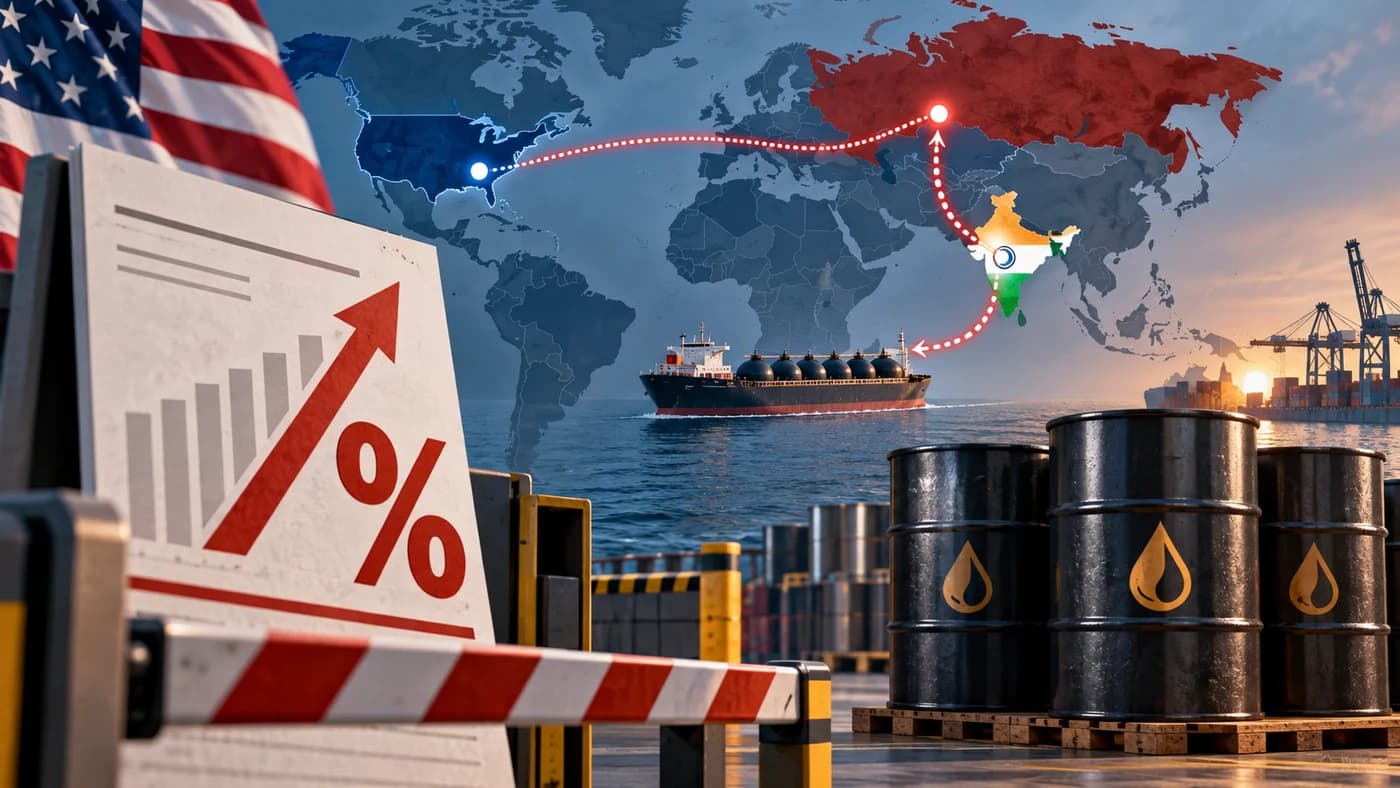
India faces potential U.S. tariff under Russia sanctions bill approved by the House
Photo: AI-generated image by Arizona Asians
The U.S. House has passed legislation that would let President Donald Trump impose tariffs of up to 100% on countries buying Russian oil and gas, including India. The measure, which cleared the chamber on Sept. 16, now awaits the president’s action after months of negotiation.
India could face tariffs of up to 100% under a Russia sanctions package approved by the U.S. House on Sept. 16, after lawmakers voted to give President Donald Trump new authority to target countries that keep buying Russian oil and gas. The bill’s passage raises the stakes for India, one of the biggest purchasers of discounted Russian crude since Moscow’s full-scale invasion of Ukraine.
The legislation would not automatically impose the duties, but it would allow the president to levy them on countries that knowingly buy Russian-origin crude or natural gas, or that are among the largest importers of those products from Russia. That includes India, which has been named in the bill’s framework as one of the countries potentially exposed to the new tariff authority.
The House vote came as U.S. lawmakers sharpened their response to Russia’s war in Ukraine and sought to tighten pressure on governments and companies helping sustain Moscow’s energy revenues. House leaders said the measure is meant to curb support for Russia’s war effort, while critics warned that broad tariff powers could also be used in ways that go beyond the bill’s stated targets.
How the tariff threat fits into broader U.S.-India trade tensions
The possible tariff threat lands at a sensitive moment in the U.S.-India relationship. India has deepened energy ties with Russia since 2022, taking advantage of lower-priced crude to help manage domestic fuel costs and inflation pressures. That shift has drawn criticism from U.S. officials and lawmakers who argue the purchases undercut sanctions pressure on Moscow.
According to reporting tied to the bill, Russia supplied a significant share of India’s crude imports in fiscal 2026, underscoring how exposed New Delhi could be if the measure becomes law and is enforced aggressively. Indian officials have defended the country’s energy sourcing as based on national interest, and have not signaled any immediate change in policy.
The measure now moves to the White House, where Trump would decide whether to sign it and how to use the authority it grants. If enacted, the law would give the administration a powerful new tool in the campaign to squeeze Russia’s energy trade, while also adding another layer of uncertainty to already strained global trade and diplomacy.
Topics
Source: U.S. House Committee on Ways and Means
View original source ↗