
Labor Day: Honoring Workers, Community and the Dignity of Service
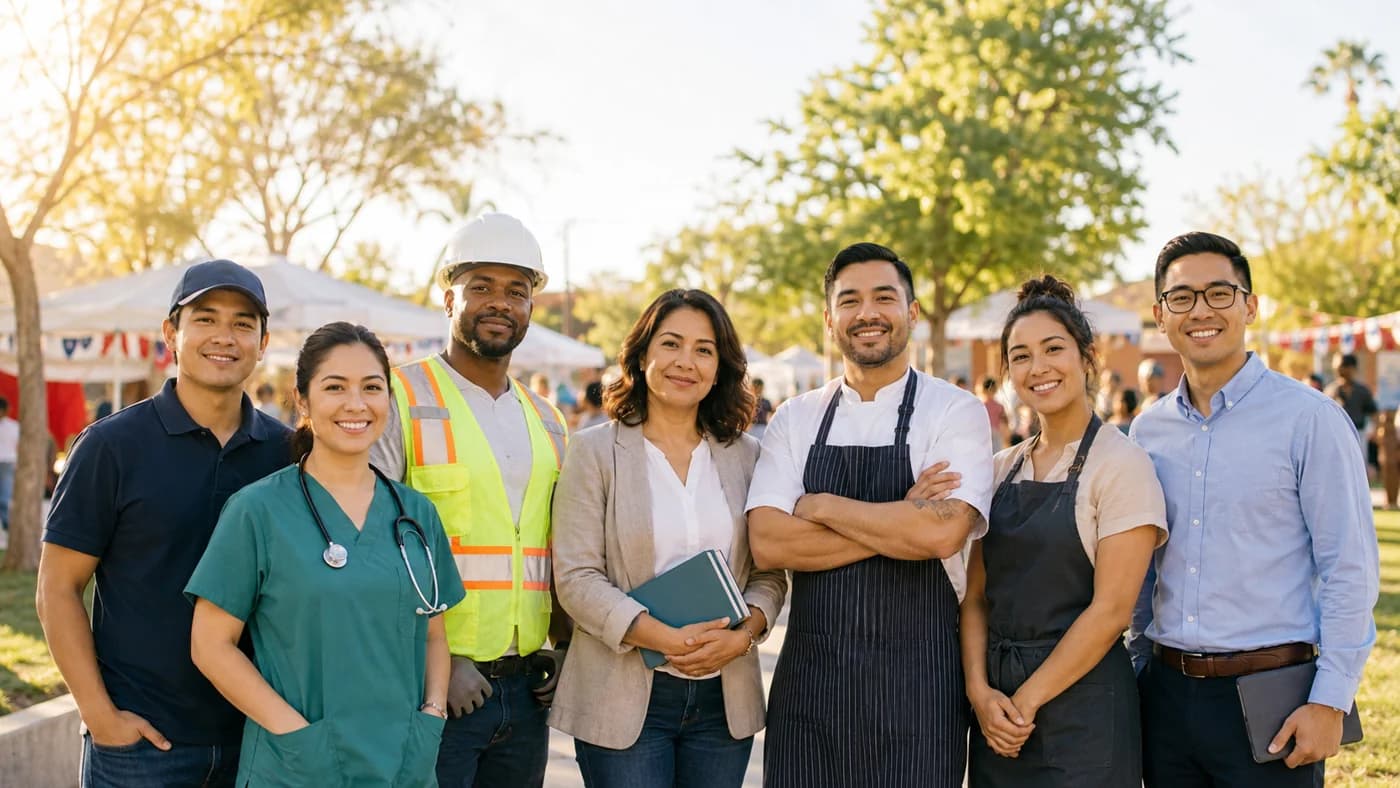
Labor Day honors the workers whose service, skill and dedication help sustain families, communities and the nation.
Photo: AI-generated image by Arizona Asians.
Labor Day is more than a long weekend. It is a national reminder of the contributions workers make to families, communities and the country’s progress.
Phoenix, Arizona — Labor Day is observed each year on the first Monday of September in the United States. For many families, it marks the unofficial end of summer, a day for rest, travel, barbecues, shopping and time with loved ones. But at its heart, Labor Day is a celebration of workers and the dignity of work.
The holiday honors the millions of people whose labor helps build and sustain the nation — from teachers, nurses, engineers and small-business owners to construction workers, restaurant employees, farmworkers, caregivers, technology professionals, public servants and countless others.
A Holiday Rooted in Workers’ Contributions
Labor Day became a federal holiday in 1894, during a period when workers across the country were calling for safer working conditions, fair wages and reasonable hours. The holiday recognized the role of organized labor and the broader workforce in shaping America’s economic and social progress.
Over time, Labor Day has become a national moment to reflect on the value of hard work, opportunity and fairness. It reminds the country that prosperity is not created by institutions alone, but by people who show up every day, perform their duties and contribute their skills.
Traditions Across the Country
Labor Day traditions vary from family to family and community to community. Many Americans spend the day attending local events, enjoying outdoor gatherings, visiting parks, watching sports or sharing meals with friends and relatives.
In some cities, parades and community programs recognize workers, unions and public service employees. For students and families, the holiday often signals the transition from summer schedules to the full rhythm of the school year.
In Arizona, where September can still bring intense heat, many families celebrate indoors, gather in the evening or use the long weekend for short trips to cooler destinations.
A Moment to Appreciate Everyday Workers
Labor Day is also a meaningful time to recognize people whose work is often overlooked. Essential workers, service employees, delivery drivers, maintenance teams, healthcare staff, grocery workers and many others keep communities functioning in ways that are easy to take for granted.
The holiday encourages gratitude for those who work behind the scenes and in public-facing roles alike. Their efforts support daily life, public safety, education, transportation, food systems, healthcare and local economies.
Values That Still Matter
The values behind Labor Day remain relevant today: respect, fairness, responsibility, perseverance and service. Work is not only a way to earn a living; it is also a way people support their families, build confidence, contribute to society and pursue their dreams.
For immigrant and Asian American communities, Labor Day can carry special meaning. Many families have stories of sacrifice, long hours, small businesses, professional achievement and the hope of creating better opportunities for the next generation.
Those stories reflect the spirit of the holiday — that every honest contribution matters.
Looking Ahead
As the economy changes with technology, artificial intelligence, remote work and new industries, the meaning of labor continues to evolve. Yet the central message of Labor Day remains steady: workers deserve dignity, respect and appreciation.
Labor Day gives the country a chance to pause, rest and say thank you to the people whose work keeps communities moving forward.
Topics
Source: U.S. Department of Labor
View original source ↗Editorial Note: Sources include the U.S. Department of Labor and publicly available historical information about Labor Day in the United States.