
Supreme Court rejects mail voting rules for 2026 midterms
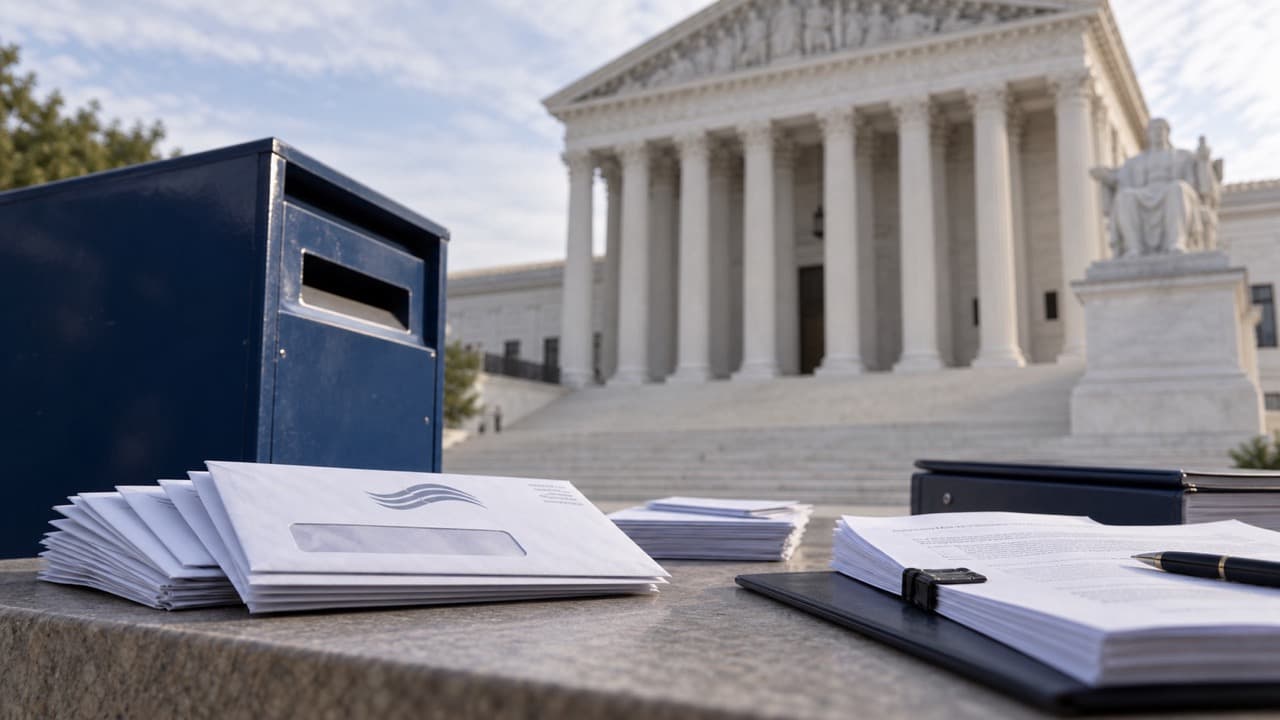
Supreme Court rejects mail voting rules for 2026 midterms
Photo: AI Generate Image
The Supreme Court has blocked the Trump administration from imposing new mail-ballot restrictions before the 2026 midterm elections, leaving existing voting rules in place for now. The ruling comes as ballots are already being prepared or sent in several states and adds another high-stakes setback in the White House’s election fight.
The Supreme Court on Monday rejected the Trump administration’s effort to impose new mail-voting restrictions before this year’s midterm elections, a decision that preserves the current ballot process as voting preparations are already underway in many states. The order came amid a fast-moving dispute over whether the U.S. Postal Service could change how mail ballots are delivered and handled in time for November’s contests.
The ruling affects election officials and voters in states that rely heavily on mail voting, including places where ballots are routinely sent to most or all registered voters. Republican election officials in Utah joined a Supreme Court filing warning that a late change could create errors, delays and confusion for both voters and administrators. Utah Lt. Gov. Deidre Henderson later said the decision meant voters could have confidence the 2026 election would proceed as normal.
Trump has long criticized mail voting and has repeatedly tied his opposition to false claims about the 2020 election. He has nevertheless used mail ballots himself, including in recent elections, according to earlier reporting. The Postal Service plan at issue grew out of a March executive order and would have required new ballot-delivery standards before the November midterms.
Legal fight centered on timing and election administration
The emergency dispute reached the justices after lower courts had already moved to block the policy. A federal judge in Massachusetts entered a preliminary injunction on Sept. 4, 2026, and the case then went to the Supreme Court on an emergency basis. Court docket records show the matter was active in early September, with filings and applications moving quickly as the midterm calendar narrowed.
The high court’s order was limited to the upcoming midterm cycle, leaving the broader legal questions unresolved. Associated Press reporting said the court concluded the administration was unlikely to succeed on the merits at this stage and that allowing the rule to take effect so close to the election would risk disrupting ballot access and election administration nationwide.
The decision is the latest in a series of legal and political clashes over voting rules ahead of the November elections. It also comes as federal and state officials continue to sort out how mail ballots will be processed in the final stretch before Election Day, when even small changes can have outsized effects on voters who depend on the mail to cast a ballot.
Topics
Source: Supreme Court of the United States
View original source ↗